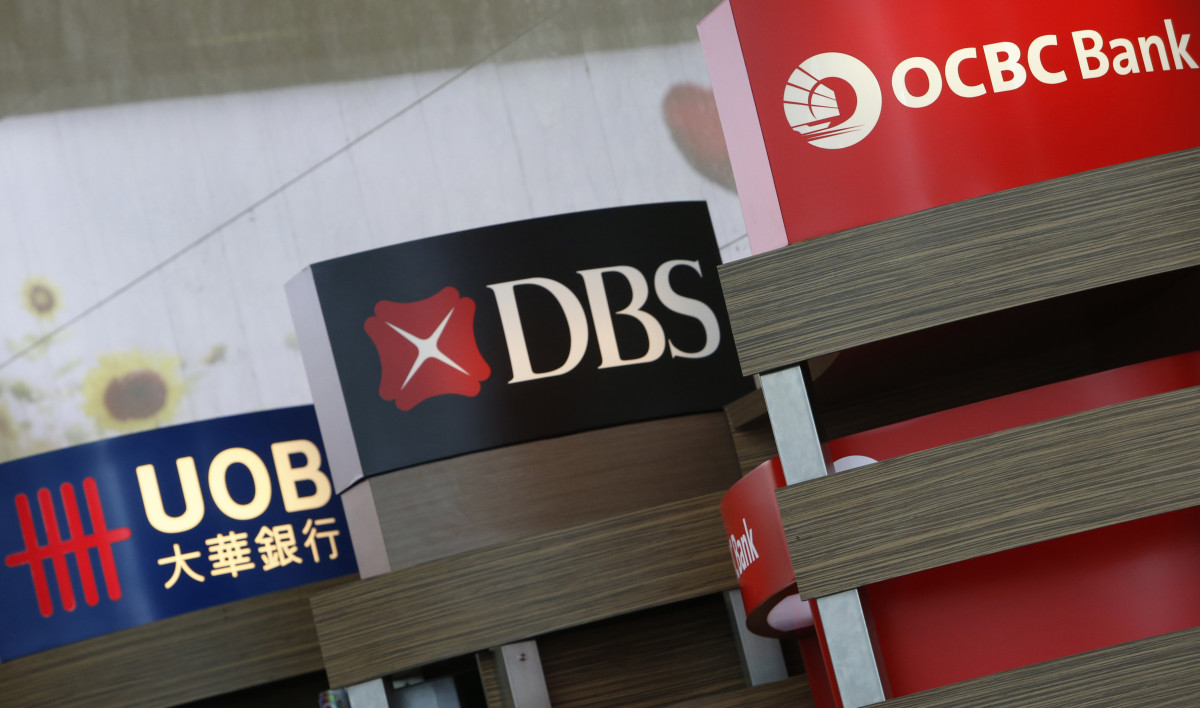
KUALA LUMPUR: Singapore’s stock market faces further volatility as concerns over earnings downgrades, rising bond yields and stretched valuations threaten to undermine its status as a regional safe haven, with investors awaiting the banks’ results next month for clearer signs of the sector’s resilience.
The Straits Times Index (STI) has fallen 6.6% from its peak more than five weeks ago, weighed down by DBS Group Holdings Ltd, Oversea-Chinese Banking Corp (OCBC) and United Overseas Bank Ltd (UOB).
The three lenders, which account for more than half of the benchmark, collectively lost US$22.4 billion (RM91.5 billion) in market capitalisation last week alone.
The retreat marks a setback for Singapore equities, which had rallied to successive highs earlier this year as earnings growth and market stability attracted institutional investors seeking shelter from volatility linked to the escalating Iran war and the artificial intelligence (AI) investment boom.
However, investors are becoming increasingly cautious as elevated bond yields erode the attractiveness of bank dividend yields and raise the prospect of valuation losses on banks’ holdings, prompting concerns over earnings and capital returns.
“The risk is a longer sell-off that spreads beyond the banks, or earnings and capital returns that start to weaken,” said Alex Ho, a sales trader at CMC Markets Singapore, tells Bloomberg.
“November’s results will be the first real test.”
JPMorgan Chase & Co warned last Wednesday that rising long-term bond yields could lead to substantial mark-to-market losses on banks’ trading books and weigh on capital activity among Southeast Asian lenders.
Citigroup Inc downgraded OCBC to “Sell” and maintained its “Sell” rating on UOB last week, while HSBC Holdings Plc cut its recommendation on Singapore equities to “Neutral”, citing stretched valuations and financial conditions weighing on the property sector.
Despite the recent pullback, Singapore banks remain relatively expensive compared with regional and global peers, following their strong rally earlier this year.
DBS, the country’s largest lender, trades at 16.9 times its 12-month forward earnings, against 13.2 times for the MSCI financials gauge, highlighting the premium investors continue to pay for the bank.
Nevertheless, some strategists believe Singapore’s economic prospects and government initiatives to revitalise its equities market could help cushion the downside, although the near-term impact of those measures remains uncertain.
Chua Jen-Ai, Asia equity research analyst at Julius Baer, said the absence of significant signs of deteriorating loan quality and relatively healthy loan growth provided some support for the banking sector.
“Critically, there are still no overtly concerning signs of bad debt, which tend to characterize bear markets for the banks, while loan growth is relatively healthy,” she said.
However, Chua cautioned that market conditions could remain unsettled as investors navigate the traditionally volatile October period.
“As we enter the traditionally turbulent month of October, the only thing we can be sure of is more volatility in price action ahead,” she said.