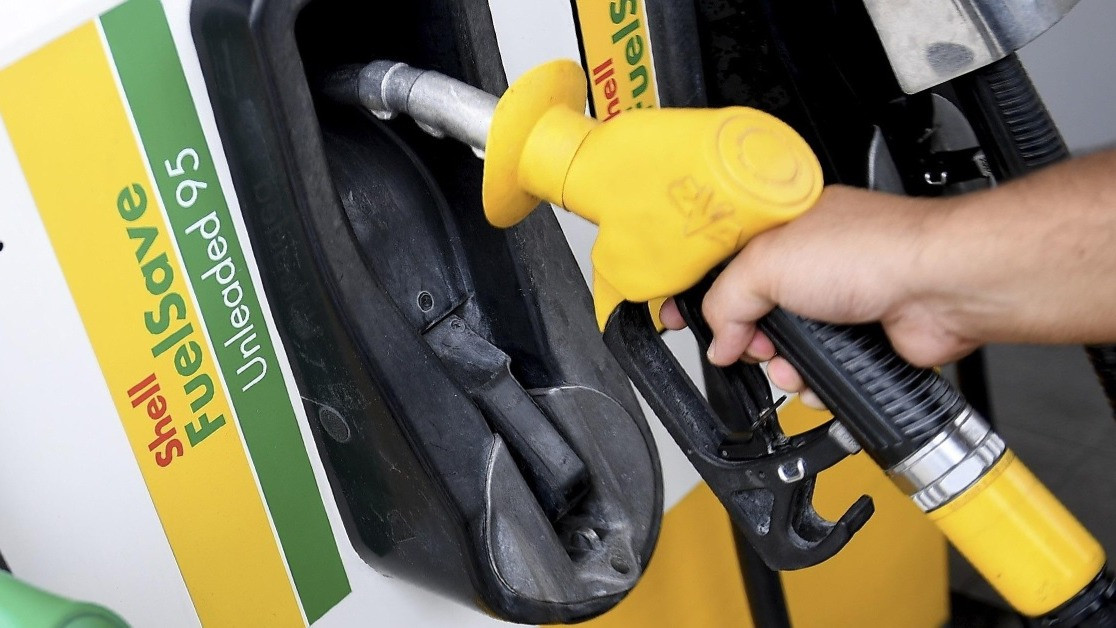
KUALA LUMPUR, March 30, 2026 — The Socio-Economic Research Centre (SERC) has called on the Malaysian government to cap its RON95 fuel subsidy at RM1 per litre to protect the nation's fiscal health. As global oil prices remain elevated due to the ongoing conflict involving the U.S., Israel, and Iran, the current subsidy of RM1.88 per litre has become a significant burden. SERC Executive Director Lee Heng Guie noted during a media briefing on Monday that the monthly subsidy bill has exploded to RM4 billion, compared to just RM700 million previously.
To manage this ballooning expenditure, Lee suggested that the government must eventually pass additional costs to consumers. "The government needs to bite the bullet... I think RM1 [subsidy] is reasonable for the government to maintain," he stated. Without such intervention, SERC warns that the fiscal deficit could widen by as much as 1.1 percentage points beyond the government’s 3.5% target. To further bridge the gap, the think tank proposed that Putrajaya consider requesting a special dividend from Petroliam Nasional Bhd (Petronas), similar to the additional RM25 billion requested in 2022.
The proposal comes as the government has already begun tightening the Budi95 scheme, reducing the monthly subsidised quota from 300 to 200 litres effective April 1. While the subsidised price remains locked at RM1.99, the market price for RON95 has surged to RM3.87, creating a massive gap that the government is currently absorbing. SERC estimates that if Brent crude averages US$100 per barrel—well above the Budget 2026 assumption of US$65—the government will spend RM33 billion on fuel subsidies, far outweighing the RM14 billion in extra oil revenue it expects to gain.
Looking ahead, SERC outlined three potential economic paths based on the conflict's duration. In a "baseline" scenario of a short conflict, growth remains stable at 4.0% to 4.5%. However, an "adverse" scenario with oil at US$120 could see inflation spike to 4%. Most alarmingly, a "severe" scenario—involving a conflict lasting over six months and oil prices hitting up to US$180—could push Malaysia’s economy into a 0.5% contraction with inflation soaring to 6%. Lee concluded that while current measures are "buying time," more decisive action will be required if prices remain high beyond May.