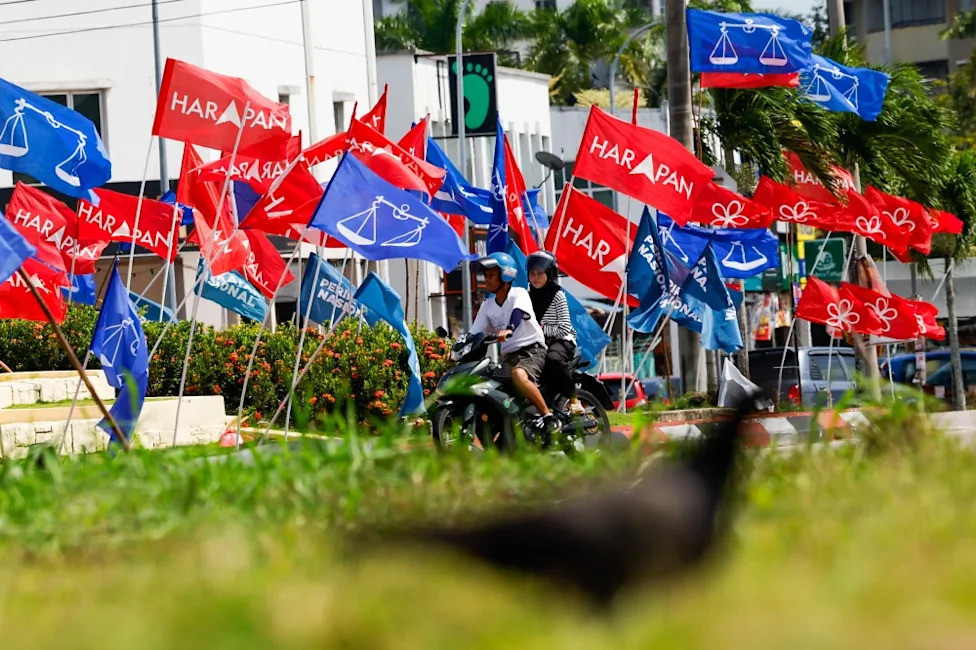
KUALA LUMPUR: Economic concerns, candidates' track records and Datuk Seri Najib Razak's house arrest have emerged as competing factors shaping voter sentiment as campaigning for the Melaka state election enters its final stretch.
With less than 48 hours before polling, political parties have stepped up ceramah and grassroots activities in a bid to secure support across the state's 28 constituencies.
Political analyst Azizah Harun tells The Star the Najib issue could influence voting patterns, particularly in urban constituencies, although some rural voters might view it through the broader question of respect for royal authority.
However, she said candidates' visibility and their records of serving their constituencies would remain important considerations.
"Many voters know which candidates have been serving their constituencies long before being fielded for the election," she said.
The issue has featured prominently in the competing campaign strategies, with Pakatan Harapan (PH) chairman Datuk Seri Anwar Ibrahim scheduled to campaign in Melaka today.
According to Melaka PKR acting chief Adam Adli Abd Halim, Anwar is expected to attend two major evening ceramah in Bukit Baru and Paya Rumput.
Barisan Nasional (BN) and Perikatan Nasional (PN), meanwhile, have stepped up their campaign machinery through the Muafakat Melaka cooperation, organising joint Gelombang Biru events across the state.
Melaka PAS commissioner Zulkifli Ismail said the coalition had planned a munajat programme and a final major ceramah today to strengthen support ahead of polling.
Campaigning will end at 11.59pm on Friday, with voters heading to the polls on Saturday.
Universiti Malaya socio-political analyst Prof Datuk Dr Awang Azman Awang Pawi said Najib's house arrest could serve as an emotional and symbolic factor during the final campaign period, but economic concerns and candidates' credibility were likely to carry greater weight among the wider electorate.
He estimated voter turnout at between 68% and 72%, above the 65.85% recorded during the previous state election in 2021.
Universiti Sains Malaysia political analyst Prof Datuk Dr Sivamurugan Pandian said the campaign had yet to produce a major political wave or dominant national narrative, with local economic concerns continuing to feature prominently.
He projected turnout at between 60% and 65%, adding that younger voters and those working or studying outside the state would be important in determining the outcome.
"The challenge is not voter registration but voter motivation. Digital campaigning may capture their attention, but physical mobilisation will determine whether they turn up," he said.
Nusantara Academy for Strategic Research senior fellow Prof Dr Azmi Hassan described the campaign as relatively one-sided, with Umno and PAS displaying greater energy than PH.
He said Najib's house arrest issue and DAP secretary-general Anthony Loke's resignation as Transport Minister had energised Umno and PAS during the final days of campaigning, while giving PH an opportunity to raise the Najib issue.
Nevertheless, he stressed that local economic and livelihood concerns would remain important in determining how voters cast their ballots.